Global Vaping Culture and Social Trends in Modern Society
In many parts of the world, vaping is viewed as a lifestyle product rather than a nicotine delivery tool. Users often choose devices and flavors that reflect their personality, daily routine, or social environment.Vaping has also become integrated into everyday routines, similar to coffee culture or fitness habits, particularly among adult users.
12/22/20253 min read
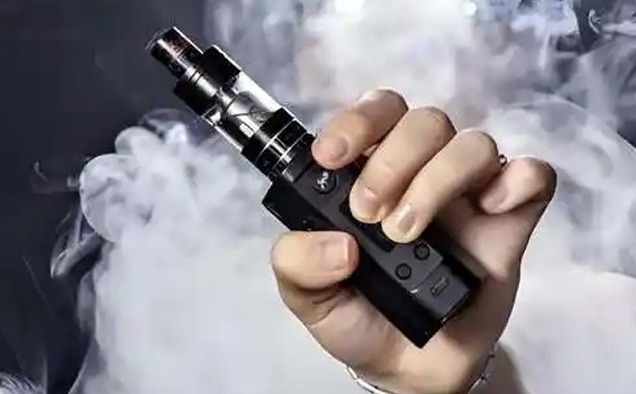
Vaping is no longer just a smoking alternative—it has grown into a global culture that reflects lifestyle choices, social identity, and evolving consumer values. Across different countries and regions, vaping is shaped by local norms, regulations, and communities. For many users searching online, questions such as “Why is vaping so popular?”, “What is vape culture?”, and “How do people vape around the world?” are becoming increasingly common. This article explores how vaping fits into modern society, the social trends driving its popularity, and how global vaping culture continues to evolve.
How Vaping Became a Cultural Phenomenon
Vaping first emerged as a technological alternative to smoking, but it quickly expanded beyond functionality. Unlike traditional cigarettes, vaping devices introduced customization, design, and variety, which helped shape a new identity.
Several factors contributed to the rise of vaping culture:
Personal expression through device design and flavors
Online communities sharing experiences and recommendations
A growing emphasis on wellness and harm reduction
Shifting social attitudes toward traditional smoking
As a result, vaping has become closely associated with lifestyle, individuality, and social interaction.
Vaping as a Lifestyle Choice
In many parts of the world, vaping is viewed as a lifestyle product rather than a nicotine delivery tool. Users often choose devices and flavors that reflect their personality, daily routine, or social environment.
Common lifestyle associations include:
Sleek, minimalist pod systems for professionals
Colorful disposable vapes for casual or social use
Advanced mods for enthusiasts and hobbyists
Vaping has also become integrated into everyday routines, similar to coffee culture or fitness habits, particularly among adult users.
Social Interaction and Community Building
One of the strongest drivers of vaping culture is community. Vaping has created both online and offline social spaces where users connect, share, and learn.
Online Vape Communities
Social media platforms, forums, and review websites play a major role in shaping vaping trends. Users search for:
Vape device reviews
Flavor recommendations
Vaping tips and safety advice
Regional regulations and availability
These communities influence purchasing decisions and contribute to brand loyalty. Viral trends, such as limited-edition flavors or new device launches, often begin within online vaping communities.
Offline Social Spaces
In many countries, vape shops function as community hubs. Users visit not only to buy products, but also to:
Learn about new devices
Get personalized recommendations
Socialize with other vapers
Vape expos and conventions further reinforce community engagement, particularly in North America and Europe.
Regional Differences in Vaping Culture
Vaping culture varies significantly across regions, shaped by regulation, social norms, and consumer behavior.
United States
In the US, vaping culture emphasizes individual freedom and innovation. Popular trends include:
Disposable vapes and nicotine salts
Strong brand identity and product differentiation
Online influencer-driven marketing
Vaping is often part of social gatherings, music events, and lifestyle branding.
United Kingdom and Europe
In the UK and parts of Europe, vaping is closely tied to public health and harm reduction. Cultural characteristics include:
Emphasis on smoking cessation
Acceptance of refillable and closed pod systems
Preference for regulated, compliant products
Vaping is often seen as a responsible alternative for adult smokers rather than a youth-driven trend.
Asia
Asian vaping culture is diverse and rapidly evolving.
Japan focuses heavily on heated tobacco products with subtle flavors
South Korea blends modern design with strong social adoption
China drives global innovation and manufacturing trends
In many Asian markets, vaping is associated with technology and modernity, rather than rebellion or counterculture.
Middle East and Emerging Markets
In the Middle East, vaping is often viewed as a premium or fashionable product, particularly in urban areas. Disposable vapes and sleek pod systems dominate due to convenience and regulatory simplicity.
In emerging markets, vaping culture is still developing and often influenced by global trends via social media.
The Role of Design and Aesthetics
Design plays a significant role in vaping culture. Unlike cigarettes, vaping devices come in a wide range of shapes, colors, and finishes.
Popular design trends include:
Compact, minimalist devices
High-tech displays and smart features
Eco-friendly materials and packaging
For many users, device aesthetics are just as important as performance, reinforcing vaping as a lifestyle product.
Vaping, Identity, and Personal Expression
For some users, vaping is a form of self-expression. Choices such as flavor selection, device customization, and vaping style reflect personal preferences and values.
Common identity-driven behaviors include:
Flavor rotation based on mood or season
Custom skins or accessories for devices
Participation in vaping events or online discussions
This level of personalization distinguishes vaping from traditional smoking and strengthens its cultural appeal.
Youth, Responsibility, and Social Awareness
A critical aspect of modern vaping culture is the emphasis on responsible use. Public discussions increasingly focus on:
Preventing underage vaping
Educating users on nicotine dependence
Promoting vaping as an alternative for smokers, not non-smokers
Responsible brands and communities actively support age restrictions and transparent information, shaping a more mature and sustainable vaping culture.
How Social Trends Influence Buying Decisions
Vaping culture directly impacts how users search for and purchase products online. Common search intents include:
“Best vape for daily use”
“Popular vape flavors in my country”
“Is vaping socially acceptable?”
“Vaping vs smoking lifestyle”
Understanding these social drivers helps users make informed decisions that align with their lifestyle and values.
The Future of Global Vaping Culture
As vaping continues to evolve, several cultural trends are expected to shape the future:
Increased focus on health-conscious messaging
Growth of eco-friendly and reusable devices
More transparent discussions about nicotine use
Stronger global communities driven by shared experiences
Vaping culture is likely to become more refined, responsible, and integrated into everyday life for adult users.
Wholesale & Distribution Cooperation
We do not retail. Our focus is on wholesale distribution and long-term partnerships with agents and distributors. Whether you are looking for OEM/ODM services or bulk supply, we are ready to support your business growth.
Contact Us
Get in Touch
WhatsApp:+86 131-1687-8006
© 2025. All rights reserved.